Suno adds MIDI editing and a beta AI chat bar to Studio 2.0
The browser-based DAW now lets Premier users import and edit MIDI on the timeline, while a session-aware chatbot can build instruments, vocals and custom plugins.
Suno released Studio 2.0 on 13 August, updating its browser-based Studio DAW with MIDI support, a beta AI chat bar, advanced stem separation, new audio effects and automation tools. The new version is available to Premier subscribers.
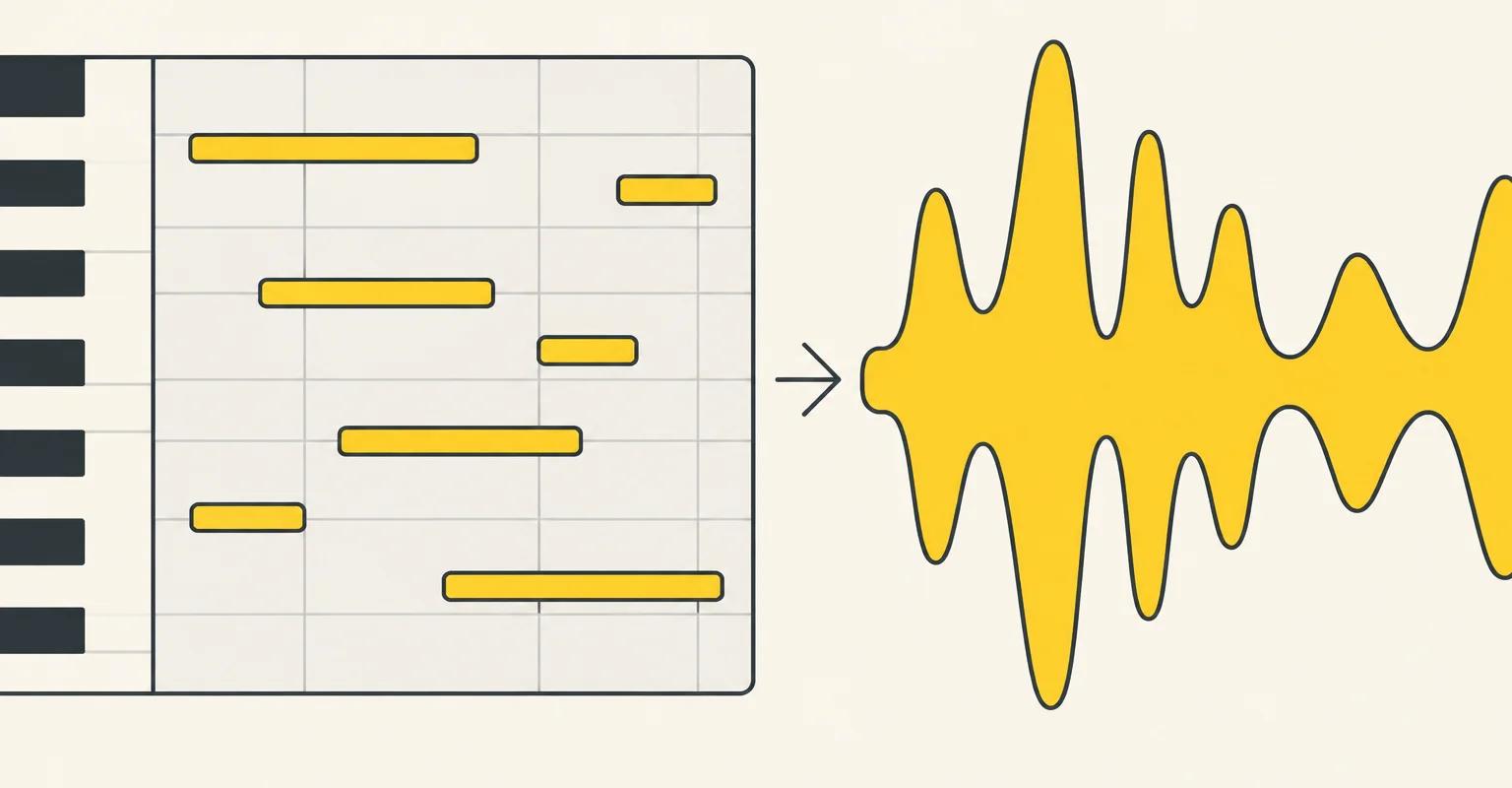
MIDI is the standout addition. In Suno’s blog post, Henry Phipps said it was the most requested feature, and the company said users can import, record and edit MIDI directly on the timeline. MIDI clips can also be used as a prompt for new audio generations, and users without a controller can enter notes from a typing keyboard. Phipps also said prompts are “no substitute” for playing a part on a MIDI keyboard or recording with a microphone.
The chat bar is meant to work like a collaborator inside the session. Suno says users can talk to Studio “like you would any other collaborator”, create instruments and vocals from scratch, design custom plugins, and tidy up a session. The assistant can also add effects such as reverb, compression and EQ, while Suno said creating new plugins at launch will not require credits. The update also adds built-in effects and automation curves for changing track and plugin parameters over time.
Studio 2.0 also expands the editing and export side of the product. Suno says its advanced stem separation can split audio into component parts such as vocals, drums and bass with “amazing audio fidelity”. Its help page says Studio can export the full mix, selected ranges, multitracks or individual clips as WAV files, and it can extract MIDI from audio stems through a Get MIDI option that costs 10 credits.
Premier subscribers can export 32-bit/48kHz multitracks and stems without limitations. At the same time, the company is changing download caps for other tiers from 3 September: free users will be limited to seven lifetime downloads, Pro subscribers to 20 a month and Premier subscribers to 60 a month. Suno said the limits are meant to make it harder for “bad actors to mass-export music”. The company first launched Studio in September 2025, initially in beta for Premier subscribers, and The Verge noted that Studio 2.0 still does not appear to support third-party plugins or VSTs yet.