Italy’s music industry warns AI and bots are draining streaming royalties
FIMI says suspicious tracks have already been removed as artificial plays distort charts and divert income from smaller artists
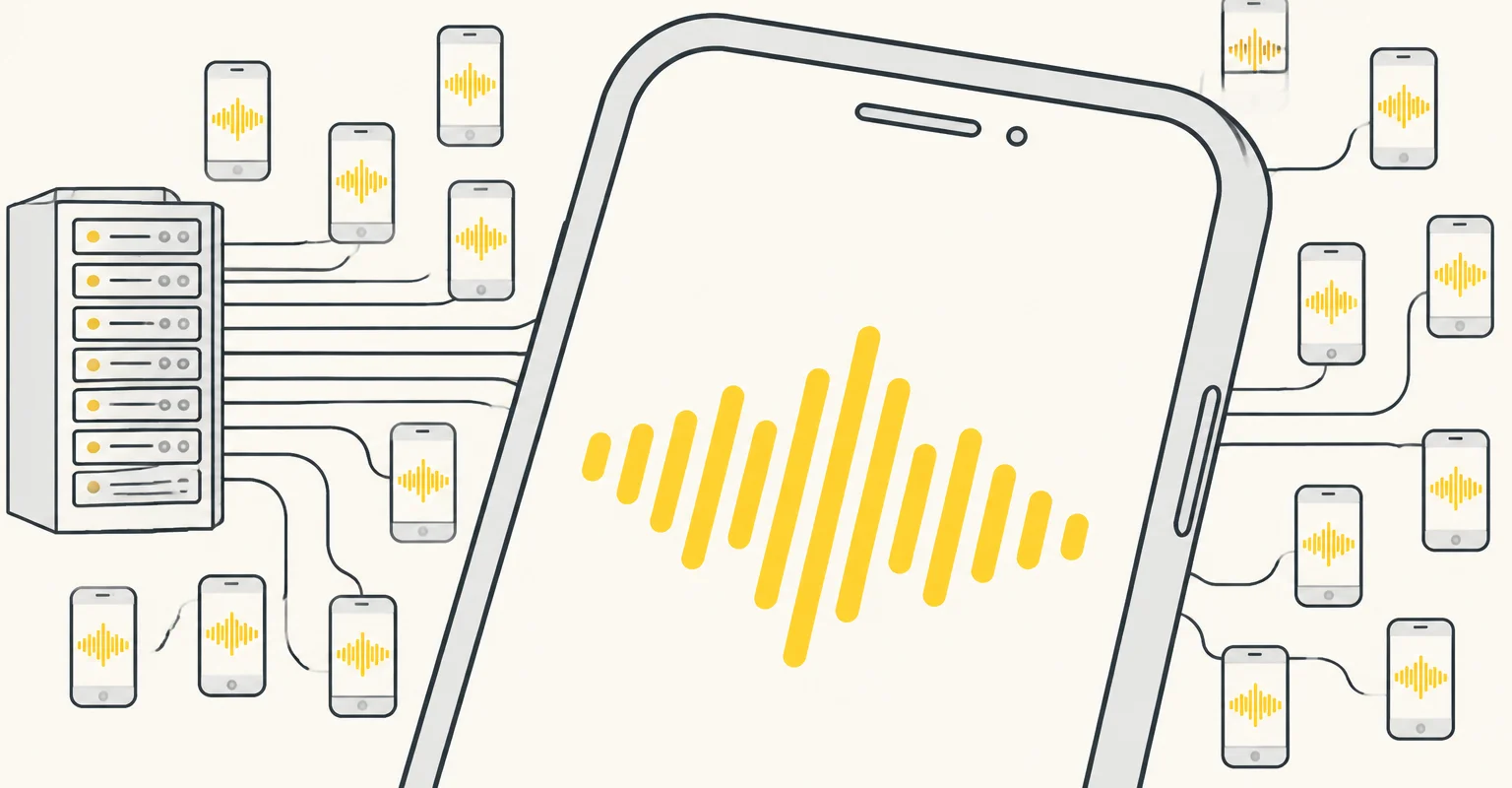
Italy’s music-industry federation has warned that criminal operators are using AI-generated tracks, fake accounts and bots to siphon money from the streaming royalty pool, disadvantaging legitimate artists and labels.
The scheme exploits the way platforms pool streaming revenue and distribute it according to listening figures. By generating artificial plays across large numbers of tracks and profiles, fraudsters can claim a share that would otherwise go to rightsholders whose music has been genuinely heard.
Enzo Mazza of FIMI, the Italian Music Industry Federation, described the activity as a criminal industry rather than isolated piracy. “Platforms cannot bury their heads in the sand and pretend nothing is happening,” he said, calling for a joint response by streaming platforms, distributors, chart organisations and the judiciary.
FIMI initially spotted the problem when unknown songs appeared in the top 100 despite showing no recognisable success beyond streaming services. Its monitoring work with Niq, formerly GfK, which manages the official charts, has led to suspicious tracks being removed on several occasions.
The federation says the greatest harm falls on smaller labels and less established artists. Artificial activity can redirect income, distort chart positions and restrict the visibility and access to major streaming services that emerging acts need.
Mazza said the most striking cases he had seen involved Latin America, particularly Brazil, and the United States, but characterised the fraud as global because tracks can be distributed internationally while criminal groups seek plays at scale. He warned that the combination of AI and bots could create permanent structural damage if it is not addressed promptly.
The concern fits a broader shift in streaming manipulation. The World Intellectual Property Organization says fraud long predated the recent expansion of generative AI, but AI has made it easier to produce enormous catalogues of songs, create and manage bots, and avoid detection. Instead of giving a small number of unknown songs millions of automated plays, operators can upload millions of tracks and generate only a few thousand streams for each.
Deezer reported in April that about 75,000 fully AI-generated tracks were being uploaded to its platform each day, roughly 44% of daily uploads. The company’s earlier estimate, from April 2025, was about 20,000 AI-generated daily uploads, or 18% of the total.
Estimates of the financial impact vary. Beatdapp co-chief executive Morgan Hayduk has put annual losses from streaming fraud at at least $1 billion from the finite royalty pool, while IMPALA estimates that streaming manipulation costs the music business $2 billion a year. Global recorded-music revenue reached $29.6 billion in 2024, including more than $20 billion from streaming.
Artificial streams can also taint legitimate acts without their knowledge. As we reported in September, 404 Media placed an AI-generated song on the verified Spotify profile of Brooklyn band Lathe of Heaven in a test of a distribution loophole, showing how synthetic material could be attached to an established artist’s pages.
IMPALA says manipulation can use fake or hacked accounts, bots, scripts, streaming farms and third-party services that promise streams or playlist placement. It can lead to content removals, chart exclusion, financial penalties and reduced promotional access, even for artists or labels that did not authorise the activity.
Platforms and industry groups have already mounted some countermeasures. Deezer has used AI to identify suspicious content and user behaviour since 2017, and caps standard royalty-generating listening from a single user at 1,000 streams. Spotify began imposing a monthly €10 charge on labels and distributors for each track found to have significant artificial-streaming activity in April 2024.
Mazza said Italy’s cyber-fraud and online-fraud laws could be used in criminal proceedings. He is due to discuss the issue at the “Fake plays, real damage: the fight against music streaming fraud” workshop at Milan Digital Week on Sept. 30; the event is organised by the City of Milan and TIG – The Innovation Group.