More than 300 publishers press Congress to unmask AI scraping bots
The bipartisan H.R. 9915 would require web crawlers to disclose their identity and purpose, with FTC civil penalties for deceptive bots.
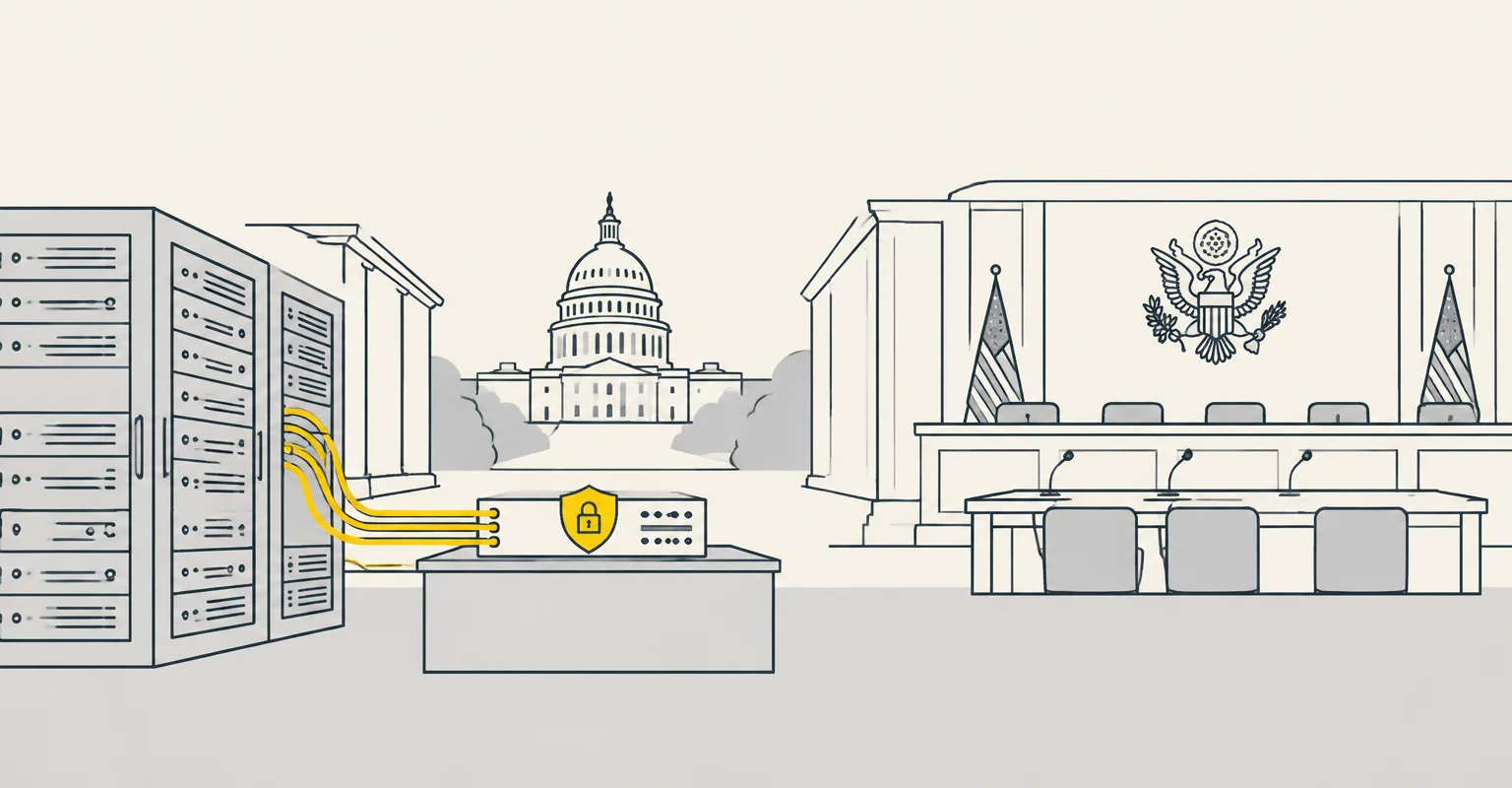
More than 300 news publishers and executives traveled to Washington to urge Congress to curb undisclosed AI scraping through the Stealth Bot Prohibition Act, a bipartisan measure intended to make automated crawlers identify themselves and explain why they are accessing a website.
The delegation, organized by the News/Media Alliance, was meeting senators, other lawmakers and congressional staff as Congress returned to session. Participants included leaders from Condé Nast, Hearst Magazines, USA TODAY Co., The Seattle Times, the Santa Fe New Mexican and America’s Newspapers.
The proposal, H.R. 9915, would require automated web crawlers to disclose their identity and purpose accurately. It would prohibit bots linked to generative-AI services from intentionally misrepresenting themselves or impersonating human users, and would give the Federal Trade Commission authority to impose civil penalties.
Representatives Valerie Foushee, Laurel Lee and Gus Bilirakis introduced the legislation on July 23. Its supporters include News Corp, Axel Springer US, McClatchy Media Company, The New York Times, Vox Media, Reddit and Bria.
The legislation is directed at crawlers that evade publishers’ technical controls by posing as people, using residential IP proxies or relying on scraping services. Publishers say that when a crawler does not identify itself, it is difficult to distinguish from ordinary traffic and block, permit or license access. USA TODAY Co. chief executive Mike Reed called the bill “a meaningful step toward greater transparency regarding how publisher content is accessed and used.”
The News/Media Alliance has framed the measure as a first step toward a functioning market for news content, in which publishers could control access and negotiate licences with AI companies. Its president and chief executive, Danielle Coffey, said discussions during the alliance’s 2025 fly-in had helped inspire the bill; last year’s meetings focused on content protection and compensation when technology and AI companies use publishers’ work.
This year’s fly-in was roughly twice the size of its 2025 predecessor and added a day of programming. Editor & Publisher separately reported that more than 140 news-media executives traveled to Capitol Hill during the America’s Newspapers Senior Leadership Conference and the News/Media Alliance annual Legislative Fly-In.
The lobbying push comes amid sharply increasing automated traffic. Cloudflare data cited by the publishers indicates that bots account for more than 60% of overall internet traffic. TollBit recorded more than 22 billion AI-bot scrapes across the sites it analyzed in the first half of 2026, within more than 987 billion total visits; on publisher sites it tracked, the ratio of AI-bot to human visits rose from about one in 200 in the first quarter of 2025 to one in 31 in the fourth quarter.
The federal proposal is broader than New York’s Stealth Crawler Prohibition Act, which passed in June and was described in relation to news sites. H.R. 9915 would apply to websites and digital platforms generally.