Luminate launches CONNECT system to flag AI-generated music worldwide
The company says its new framework combines proprietary detection with data from streaming platforms and AI music firms, and will let artists challenge mistaken labels.
Luminate has introduced a new framework inside its CONNECT platform to identify and measure AI-generated music. The company says the tool can flag AI-generated songs and artists worldwide and is meant to give labels, publishers, managers and brand partners a clearer view of how such music is circulating.
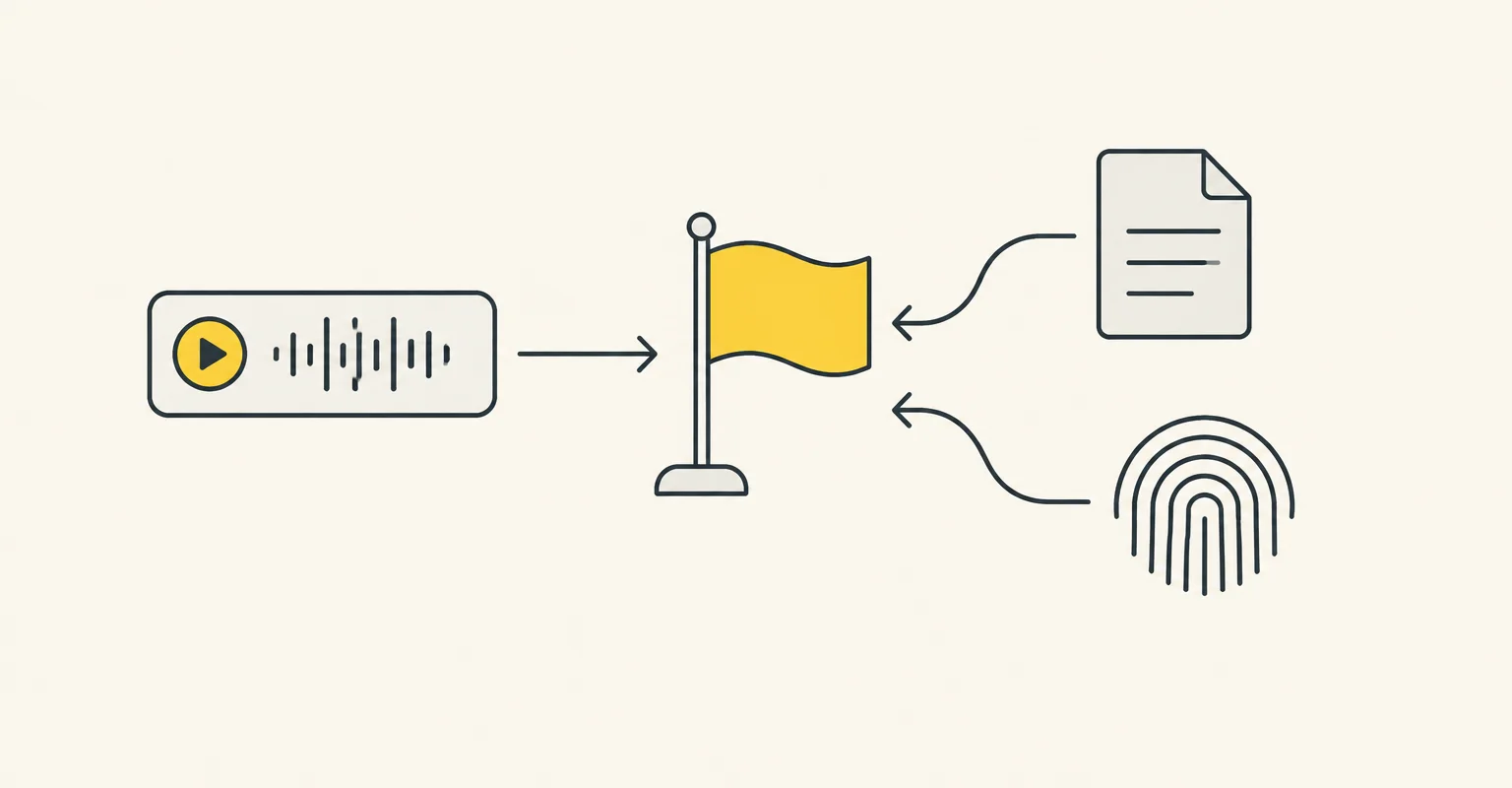
The framework uses three inputs: self-labeled streaming data from DSPs, attribution data from AI music companies and Luminate’s own identification technology. According to the company’s FAQ, Luminate Data Science first scans artists and songs added to CONNECT for a high likelihood of being AI-created, then uses audio signature matching to confirm flags and apply labels.
As covered in our earlier report on Apple Music, major streaming platforms and the wider music business have been adding AI disclosure tools of their own this summer. Billboard reported that Luminate’s move follows a wave of similar announcements, with Apple Music and Spotify both planning AI-related labels for listeners.
Within CONNECT, flagged songs will receive an “AI Generated” label, while artist profiles can be marked as fully AI-generated. Luminate says the “Human” label is reserved for artists it has confirmed to be non-AI, and that the absence of a label does not necessarily mean a profile or track is not AI-made. The company also says artists and labels will be able to challenge incorrect tags through a dedicated review process.
Luminate says the system is designed to help the industry understand broader trends, assess fraud risk and make better decisions as AI music spreads. Rob Jonas, the chief executive, said the rapid growth of AI-generated music has outpaced the industry’s ability to identify it consistently and measure its impact, and argued that no single organisation can solve the problem alone.
The company says it has already identified thousands of AI-generated items in its database, though those labels are not yet visible inside CONNECT. It plans to announce the in-app release of AI tags in the coming months, with the framework scheduled to roll out to customers and partners later this year.