Watermarks-remover broadens its AI provenance toolkit
The latest release adds a service, Docker build and HTTP API, but the developer says the project can only remove metadata today while text-watermark stripping remains a best-effort rewrite.
A GitHub project called watermarks-remover has reached v0.5.0, adding a service and Docker distribution, an HTTP API and verification harnesses to a tool that says it can strip AI provenance marks from text and files.
The repository says the project now covers Claude, Gemini, OpenAI provenance surfaces and open-weight models using Kirchenbauer-style marks. It also lists invisible Unicode markers, statistical text watermarks and file metadata in formats including PNG, JPEG, SVG, PDF, DOCX, ODT, HTML and Markdown.
As covered last week, Anthropic said Claude text and supported files would carry watermarks and signed provenance notes to help it comply with EU AI Act transparency rules. A market for removal tools appeared within days of that disclosure, according to BleepingComputer.
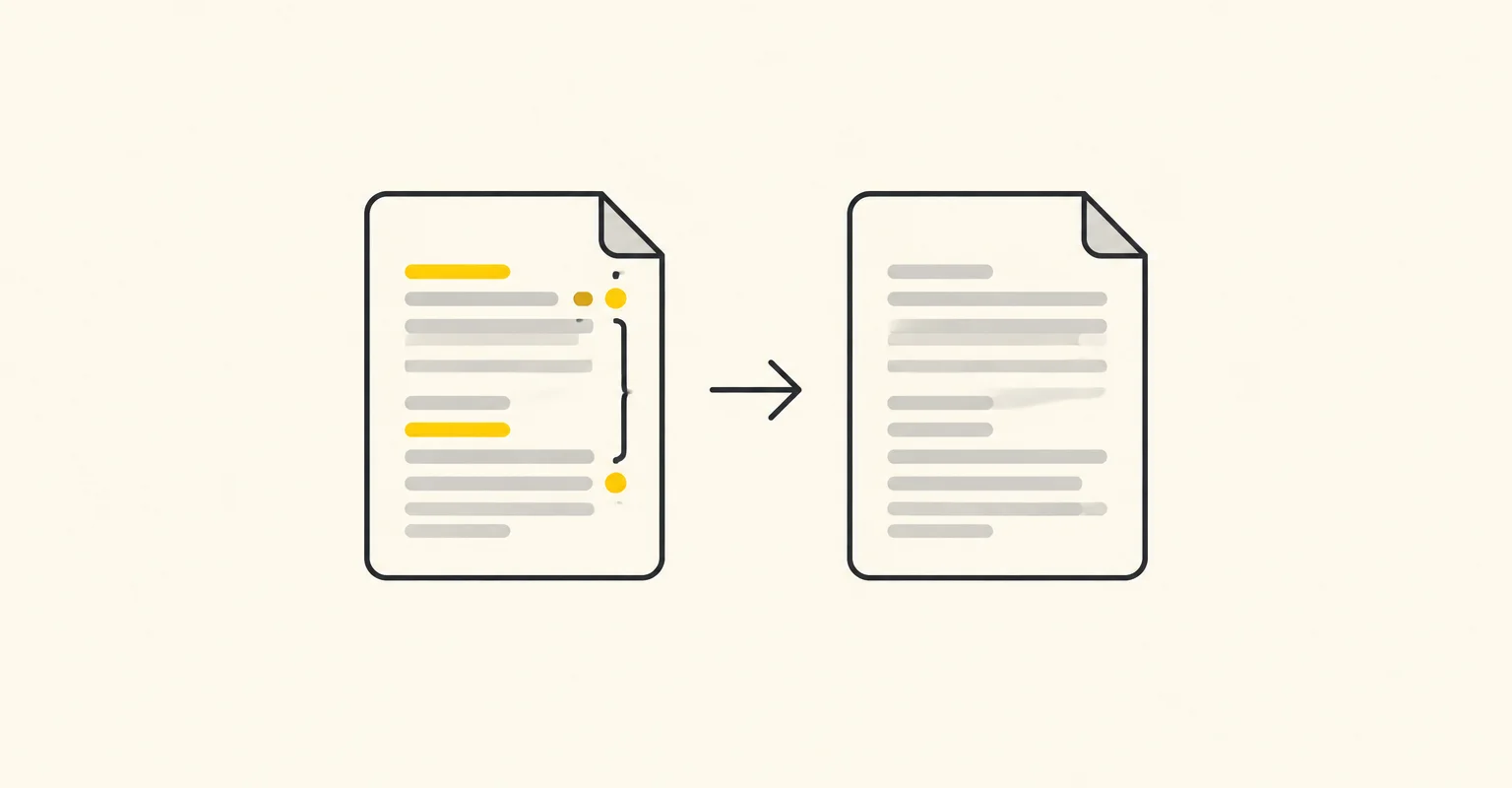
The project describes a layered system. One layer handles edit-based signals in text, another targets statistical patterns in generated language, and a separate cleanup layer strips C2PA, EXIF, XMP and document properties from files. The repository also says the service was formerly called remove-claude-marks, and it still documents a /remove-claude-marks alias.
In v0.3.1, the text-rewriting side became more aggressive by changing sentence structure, word choice, transitions and other patterns in an attempt to disrupt statistical watermarking. The project also offers options meant to make rewritten text sound more natural, but it warns that heavy rewriting can affect tone, voice and precision.
The developer has said the tool removes metadata only for now, with removal of the actual marks to come later. The project also says the rewrite is best effort and cannot guarantee that a vendor detector will fail.
BleepingComputer reported that hidden-character stripping and file-metadata cleanup can be checked, but that the harder question is the watermark itself because Anthropic has not published how it works or released the detector. Anthropic says a complete rewrite can get around the watermark, while light editing probably will not remove it completely.