Grisham warns AI could let publishers sell ghostwritten books
The bestselling novelist said AI could make it cheap for publishers to produce polished books under a human name, even as ebooks and audiobooks still make money for the business.
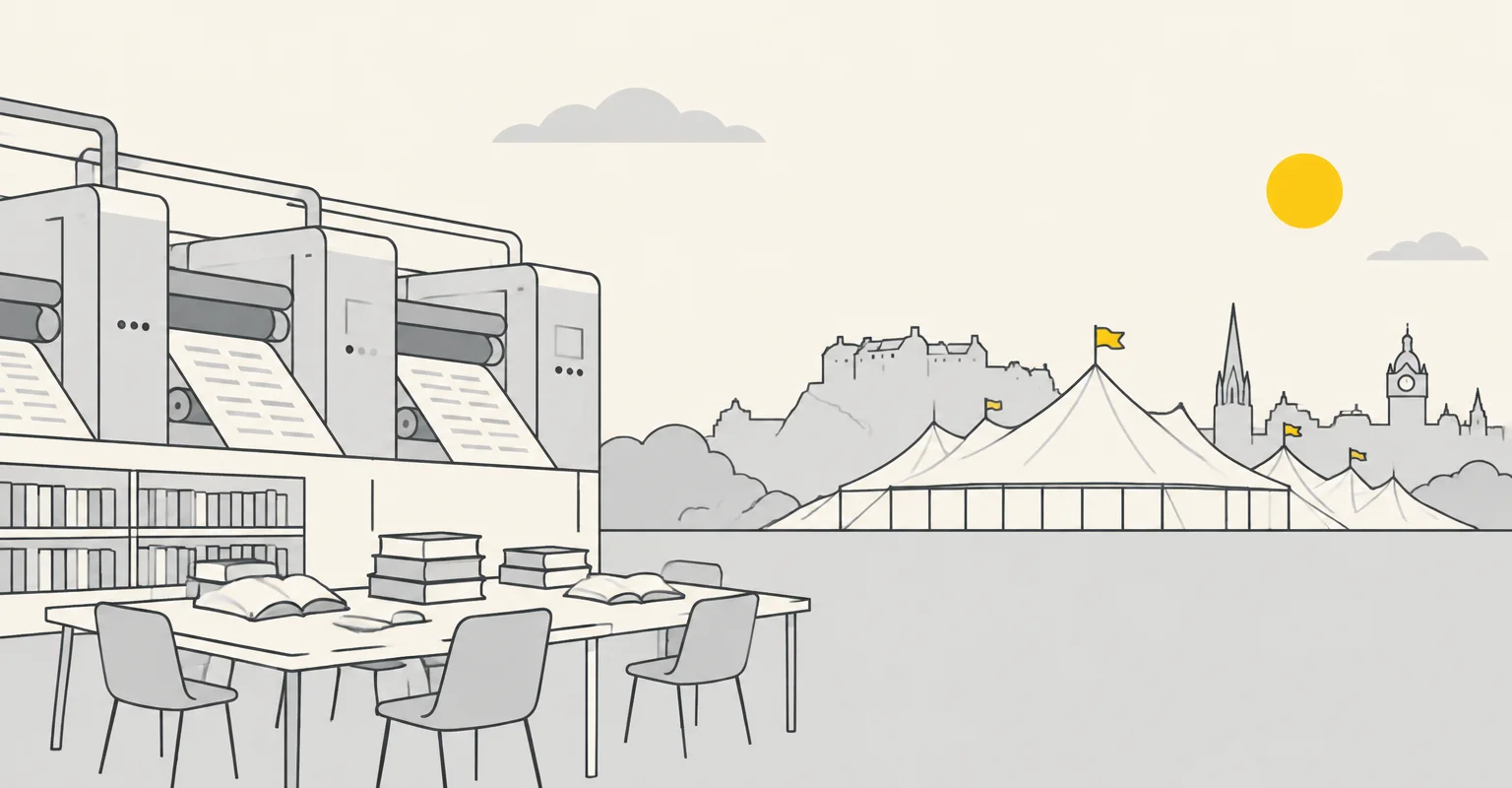
John Grisham warned at the Edinburgh International Book Festival that artificial intelligence could threaten writers by making it cheap for publishers to turn out well-written books and attach a human name to them. He said the industry was still “doing okay” for now, but described AI as a serious new risk.
According to the Evening Standard, Grisham spoke on Tuesday evening with festival host Sir Ian Rankin. The paper said the American novelist has written more than 30 novels and sold more than 300 million copies worldwide. He also said book consumption in the US has been sliding for 30 years, calling it a “very gradual decline”, and said Americans and their children are reading fewer books each year.
His core fear was blunt. Grisham said publishers could reach a point where books like his are written very well by AI, then sold under someone else’s name. If that happened, he said, it would cost publishers very little, though they are still paying authors a great deal at present.
He also pointed to the parts of the business that are still making money. Grisham said ebooks make a great deal of money and that audio is the fastest-growing segment of publishing. In his telling, the industry is already under pressure from lower reading rates, and now AI is another source of concern on top of that.
The US Copyright Office has also been working through the legal questions since early 2023. It said it began examining AI-related copyright and policy issues, held listening sessions and webinars, published a notice of inquiry in August 2023, and received more than 10,000 comments by December that year.
The office has since issued its report on copyright and artificial intelligence in parts. Part 1, published in July 2024, dealt with digital replicas. Part 2, published in January 2025, addressed the copyrightability of outputs created using generative AI. It released a pre-publication version of Part 3 in May 2025, saying no substantive changes were expected in the final version.