Bonnie Garmus casts “Peck & Peck” as a defence of the human voice
The “Lessons in Chemistry” author says AI can bury writers’ voices as her new publishing-world novel arrives
Bonnie Garmus has cast her new novel, “Peck & Peck,” as an argument for human creativity at a time when generative AI is raising new questions for writers. The author said her concern that creativity should continue to be valued influenced the book, which was released Oct. 13.
In an interview with Marie Claire, Garmus argued that agents and editors seek an author’s individual voice, not an AI-produced one. “AI buries your voice and makes you a plagiarist in the process,” she said, adding that its use meant “stealing from the very people you want to become” and could leave readers unable to know what a writer personally had to say.
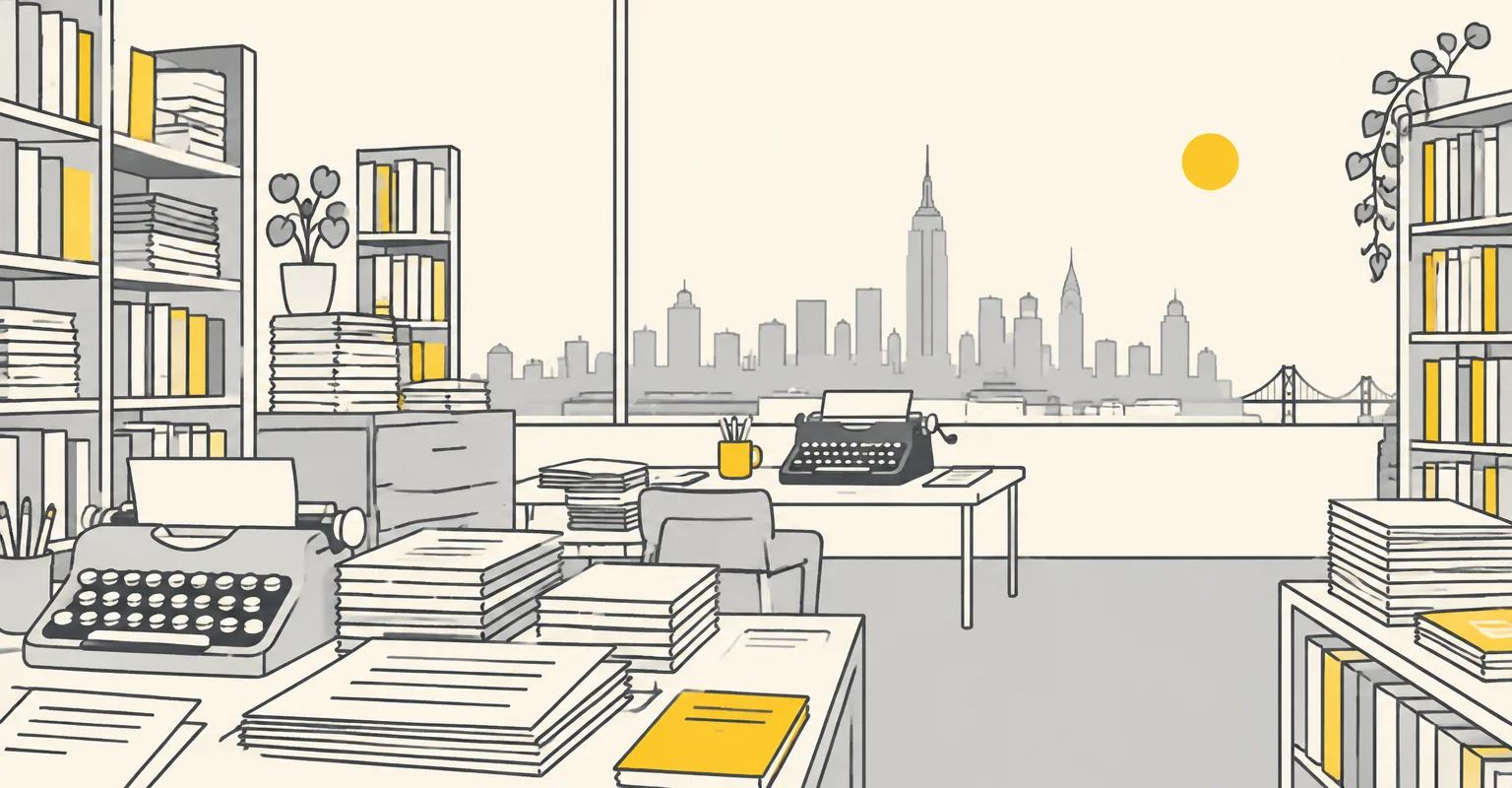
The novel is set in Manhattan’s publishing world around 1982 and follows Batter Gray, a recent college graduate who takes a job at the poetry magazine Peck & Peck. There he encounters the magazine’s competitive twin editors-in-chief. Garmus wrote Batter as a character uncertain whether he belongs in the field or is good enough to be a poet.
Its fictional editorial mission, in the publisher’s description quoted by CBS News, is: “Find originality. Reward creativity. Burn the rest.” The description also says the publication does not tolerate plagiarists.
“Peck & Peck” follows Garmus’s debut, “Lessons in Chemistry,” which was released in 2022, sold about 9 million copies worldwide and spent 99 weeks on The New York Times best-seller list. Garmus said completing the new novel while touring for the earlier book was an important hurdle, but that she did not dwell on the pressure created by its success.
The new book also continued Garmus’s research-heavy approach. After teaching herself chemistry for “Lessons in Chemistry,” she researched poetry for “Peck & Peck,” saying the discipline was every bit as complicated. She published her first novel shortly before turning 65, after working full-time as a copywriter, and has described persistence as the way writers work in the gaps of the day.
The Authors Guild says claiming AI-generated text as one’s own professional writing without substantial revision, or imitating another writer’s voice or style, is generally unethical and may be plagiarism. But it distinguishes those practices from background research that does not enter a work, and regards AI-powered spelling and grammar checks as generally ethical and professional.
Garmus nevertheless urged people to enter the arts, saying society needs artistic people making original work more than ever.