Suno formally admits using YouTube audio and YT-DLP to train AI models
A Massachusetts court filing makes formal a disclosure that the AI music company had previously made to record labels, while contesting liability under copyright law.
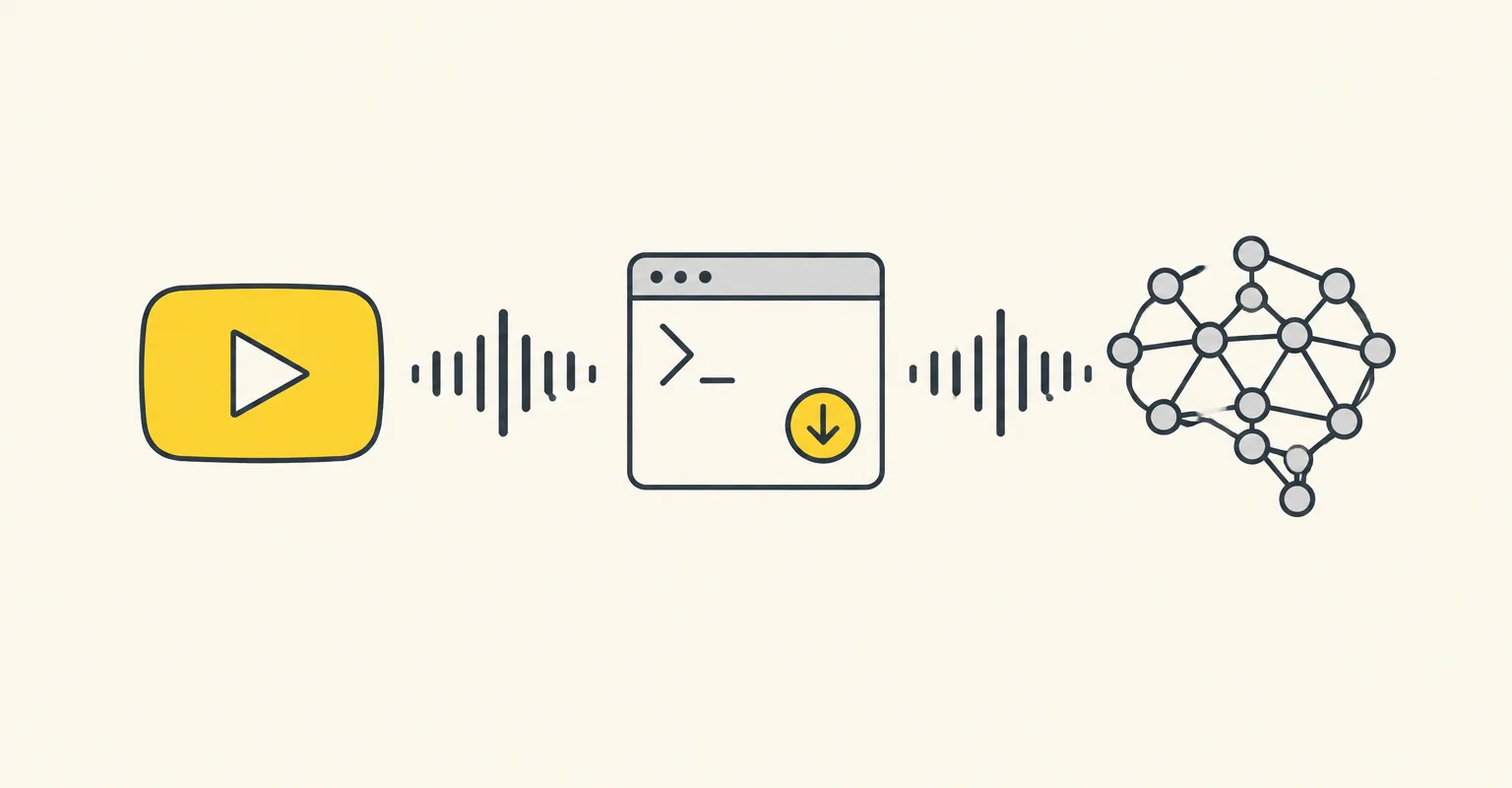
Suno acknowledged in a Sept. 1 filing in federal court in Massachusetts that it obtained audio data from YouTube for training its artificial-intelligence models using YT-DLP, software that can download material from the video platform.
The admission appeared in Suno’s answer to an amended complaint brought by UMG Recordings, Capitol Records and Sony Music Entertainment. Music Business Worldwide, which reviewed the filing, said the company made the point in response to a paragraph accusing it of using YT-DL and YT-DLP to circumvent YouTube protections and extract copyrighted recordings.
Suno’s response specifically named YT-DLP, rather than YT-DL. It repeated at several other points that it had obtained YouTube audio for training data.
The filing formalised a disclosure Suno had made to the labels in May 2025, according to an earlier court order. Suno had also said in an August 2024 answer that its training material included essentially all music files of reasonable quality accessible on the open internet.
The labels allege that Suno used downloader tools to bypass YouTube’s technical protections, a practice described as stream-ripping, and trained its models on the resulting recordings. Their case covers 560 recordings and includes a claim under the Digital Millennium Copyright Act's anti-circumvention provisions, alongside copyright-infringement claims.
Judge F. Dennis Saylor IV granted the labels permission to add the stream-ripping claim. Suno had previously argued that the DMCA bars circumvention of controls governing access to a work, rather than controls on copying it.
In its new answer, Suno challenged whether the remaining labels had standing to pursue the circumvention claim. It argued that one or more plaintiffs did not meet the constitutional standing test and were not persons injured under Section 1203(a) of the DMCA. Those defences address the circumvention count rather than the two copyright-infringement claims.
Suno also maintained that any copying involved in model training was protected by fair use under Section 107 of US copyright law. The company characterised training as a back-end process, invisible to users, that produces an “ultimately non-infringing new product,” calling that use “quintessential fair use.”
It further alleged, on information and belief, that the labels had engaged in anticompetitive conduct extending an unlawful monopoly over music production and commercialisation. The labels have countered that a fair-use defence should not excuse allegedly obtaining training data through stream-ripping rather than lawful acquisition.
The answer says Suno built its model by exposing it to tens of millions of recordings gathered from publicly available sources to derive statistical insights about sound. It also argues that the labels do not appear to allege that Suno’s model outputs themselves infringe the recordings in the case, and denies that similarities between outputs and the labels’ tracks establish what the models were trained on.
Warner Music Group, initially a plaintiff in the litigation brought in 2024, settled with Suno and entered a licensing agreement in November 2025. UMG, Capitol and Sony remain the plaintiffs.
Fact discovery in the Boston case closes on Sept. 30, after which both sides are expected to seek summary judgment on the fair-use question.