Jack Osbourne says Ozzy AI backlash reflected a muddled rollout
The family says its planned avatar will draw only on approved material and remain under its control.
Jack Osbourne has said criticism of the family’s plan to create an artificial-intelligence version of his late father, Ozzy Osbourne, stemmed in part from his failure to explain the technology. “The backlash, it was my own fault,” he said, adding that he had not been properly prepared to explain what the technology was.
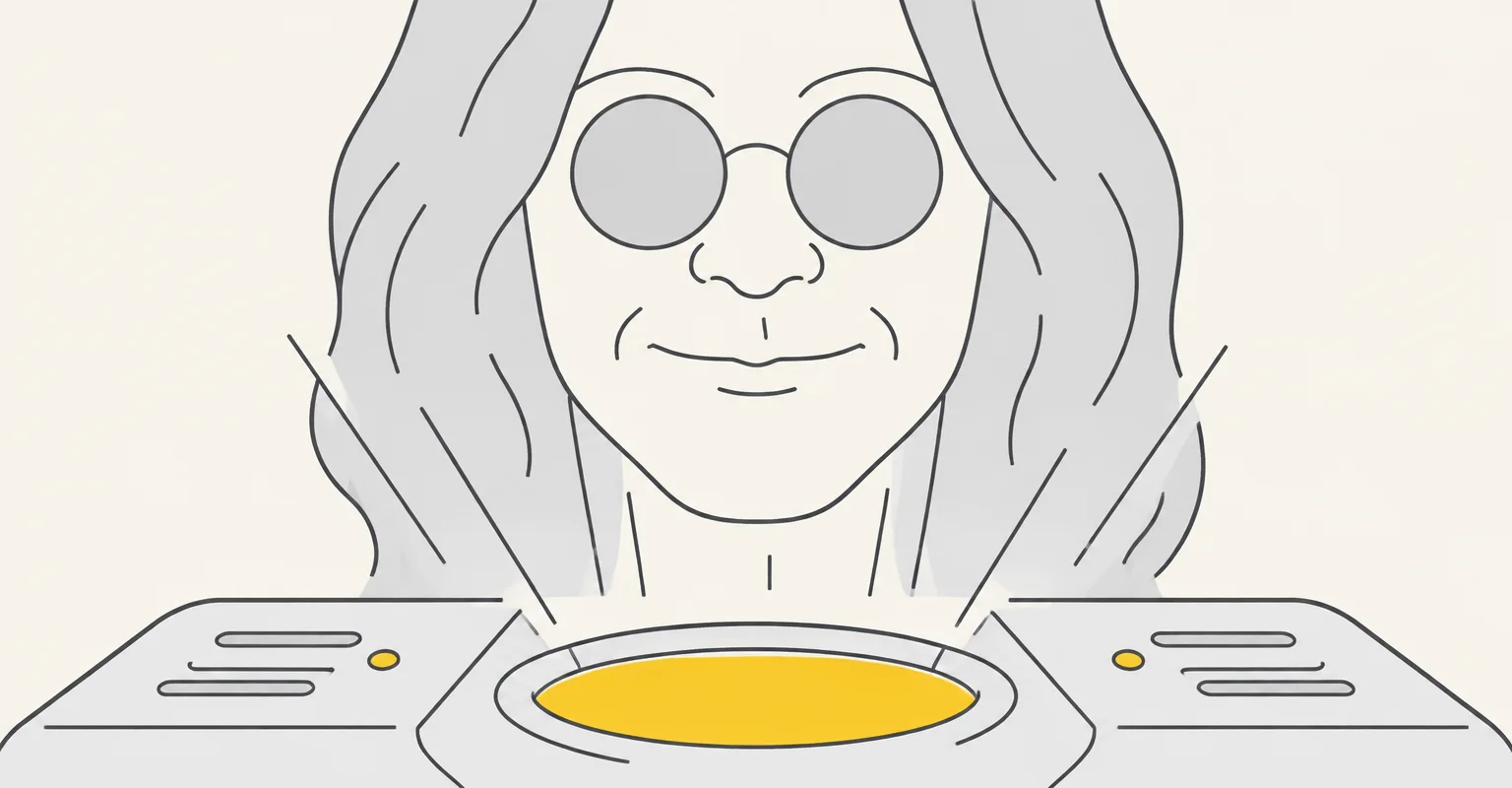
The proposed avatar would recreate Ozzy Osbourne’s appearance, voice, personality and mannerisms, and is intended to converse with fans rather than play a fixed, pre-recorded sequence. The project is a partnership between the Osbourne family, Hyperreal and Proto Hologram.
Jack Osbourne said the family’s system would be closed and not connected to the internet. Its database would contain material Ozzy had said, accurate information about him and accurately written material. “This isn’t ChatGPT with dad’s face on it,” he said.
Fans questioned whether it was appropriate to recreate a deceased musician through AI. Others worried that the likeness might be used to sell products or endorse activities Ozzy Osbourne might not have supported, including the prospect, raised by Jack, of the singer being made to sell cell phones.
Jack said the objective was for the family to create, own and control Ozzy Osbourne’s digital imprint, likeness and intellectual property. He described the initiative as a way to ensure his father was not forgotten, rather than an attempt to suggest he remained alive. Sharon Osbourne has also said the family will control the representation and its uses, and rejected accusations that the venture is a cash grab.
The family announced the initiative at Licensing Expo in Las Vegas on May 20, about 10 months after Ozzy Osbourne died at 76. Jack said he and his father had discussed making something similar before his death, and that he believed Ozzy would have supported it. In a December 2023 episode of The Osbournes podcast, Ozzy said he was open to AI if the quality was good, while warning that people could misuse the technology.
The avatar is expected to appear in Proto Luma units in the United Kingdom and United States. The life-size holoportation devices use an 86-inch multi-touch volumetric display, 4K resolution, speakers, spatial computing and conversational-AI capabilities. Hyperreal describes its Digital DNA system as technology for an authenticated avatar’s likeness, voice, motion and performance character.
The debate sits within broader concerns about digital replicas, which the U.S. Copyright Office defines as technology that realistically replicates a person’s voice or appearance. In a July 2024 report, the office said generative AI had made such replicas easier and faster to make and harder to distinguish from authentic material, and concluded that new federal legislation was needed to address unauthorized versions. The Osbourne project, by contrast, is being presented as one built from approved, authenticated and controlled source material supplied by people close to the singer.