Michael Smith gets 18 months for AI music-streaming fraud
The North Carolina man must forfeit $8.1 million after bots generated billions of plays across major platforms
Michael Smith, a 54-year-old from Cornelius, North Carolina, was sentenced to 18 months in federal prison for conspiring to commit wire fraud through manipulated music-streaming royalties. A federal judge also ordered him to forfeit $8.1 million, the agreed loss amount, and imposed two years of supervised release.
The sentence followed Smith’s March 19 guilty plea to a single conspiracy count, which carried a maximum prison term of five years. As reported in September, Smith had sought probation after agreeing to forfeit more than $8 million, while officials had recommended a two-year sentence.
The case was described as the Justice Department’s first criminal prosecution involving AI-assisted music-streaming fraud. It concerned activity across Spotify, Apple Music, Amazon Music and YouTube Music from 2017 to 2024.
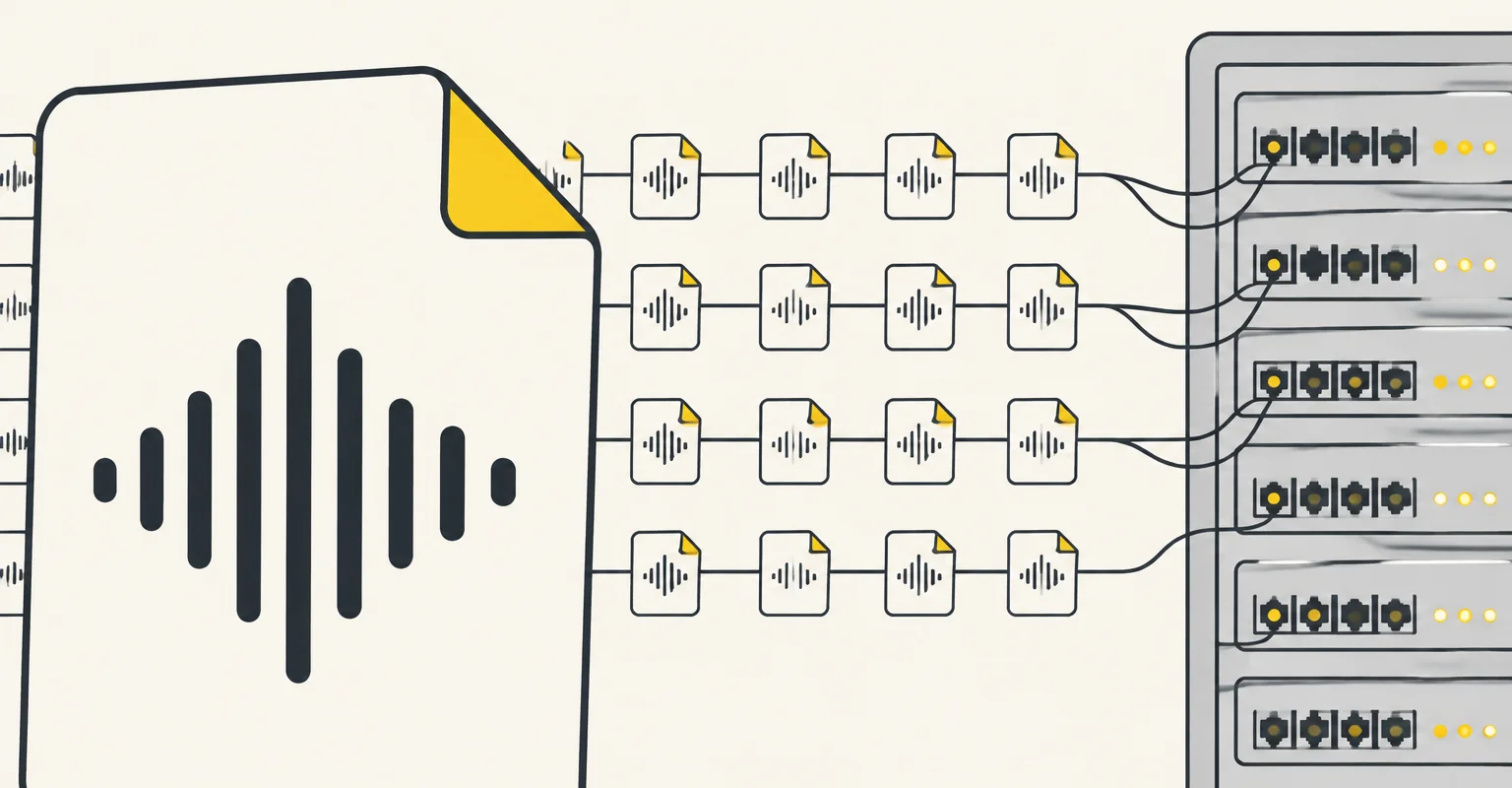
Smith created and uploaded hundreds of thousands of AI-generated songs, then used software and bot accounts to play them repeatedly, producing billions of streams. The government’s sentencing filing said the operation had three stages: establishing bot accounts, continuously streaming music Smith owned and collecting the resulting royalties.
He used cloud computing to run many virtual computers at once and had as many as 10,000 active bot accounts at points in the scheme. The accounts used purchased email addresses, and the automated streams were spread across a vast catalogue to reduce the chance that any individual song would trigger anti-fraud systems.
The scale was apparent in April 2023, when Smith’s catalogue logged 80.9 million YouTube Music streams from family-plan accounts. Taylor Swift’s entire catalogue recorded 9.3 million streams in the same category that month.
Smith obtained more than $14 million from music royalty-paying entities, according to the government’s filing, while the $8.1 million forfeiture figure represented the agreed approximate loss from the scheme. By June 2019, he had reported 88 million total streams and about $110,000 in monthly earnings. In a 2024 email, Smith claimed to have reached four billion streams and $12 million in royalties since 2019.
Streaming royalties are funded from platform revenue pools and allocated in proportion to listening activity. Prosecutors argued before sentencing that the fraud harmed many songwriters, while Smith’s lawyers said any effect on a single artist was insignificant. The court imposed a term substantially below the 46-month minimum prison sentence prosecutors had urged.
The Recording Industry Association of America said streaming fraud harms creators and deceives fans. Spotify says it detects, prevents and removes the royalty impact of artificial streams, and can charge labels and distributors when it identifies flagrant activity.