AI K-pop act muuo:23’s debut single revives backlash over virtual idols
The five AI-generated members have human creative teams, but critics question AI idols as trainees compete for debut opportunities.
The AI-generated K-pop boy group muuo:23 released its pre-debut digital single, “NEVERTHELESS,” on Oct. 14, drawing online criticism from fans who objected to AI idols entering a market where thousands of human trainees are still competing for debut opportunities.
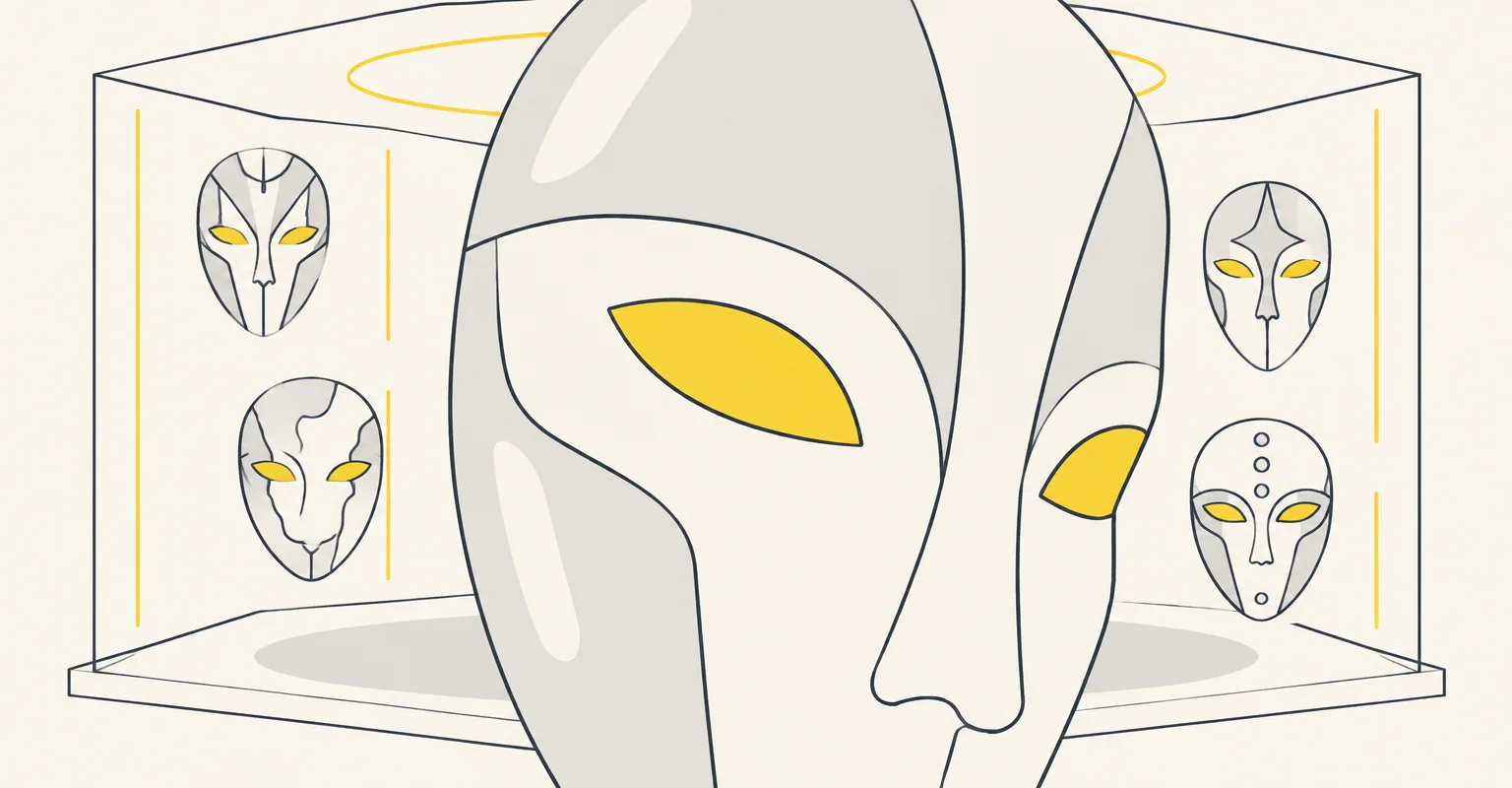
Creation Zipup, an AI entertainment company, created the five-member act using generative AI technology. Its music is distributed through CJ ENM. The release comprises “Nectar” and the title track “OVERSHOOT,” whose video was made entirely with generative AI, according to Korean media reports.
All five members, Taewon, Hamin, Yeonwoo, I-Hyun and Sei, are presented as AI-generated digital artists. Human creatives nevertheless contribute to the project’s music production, choreography, styling and direction.
The group’s premise is that its members are observers from the 23rd century, a future in which people have lost their emotions. They travel to the 21st century to discover and experience human feelings. The wider project also includes an interactive fan platform with AI chat features, a web novel and digital photocards.
Much of the reaction focused on the contrast between digital performers and the long training path associated with conventional idol debuts. One reply on X read: “Hundreds and thousands of trainees waiting to debut, and they come up with AI slop, nice.” Other posts mocked the group’s visuals and anticipated its disbandment.
The criticism revived a broader argument over authenticity, the use of AI in entertainment and the potential effect of AI-generated performers on aspiring artists’ opportunities. The inclusion of human contributors in muuo:23’s production did not settle objections to the use of AI identities as the performers themselves.
The debate arrives amid growing experimentation with AI in K-pop. Dazed reported that GLXE, a trio whose singers, voices and songs were described as entirely generative AI, had followed established idol promotional practices including livestreams, dance challenges and a fandom name. It also identified earlier AI-related projects, including Supertone’s Syndi8, which launched in 2024 and was short-lived, while aespa debuted in 2020 with human-designed virtual avatars and MAVE: used AI to communicate in multiple languages.
Fans’ sensitivity reflects K-pop’s emphasis on visible development, according to Hyd of ENHYPEN ASIA, who said the genre has been rooted in “visible human effort and growth,” including years of training, discipline and exhaustion. Mitch of ENHYPEN ASIA argued that innovation was not the enemy but that the genre’s future depended on preserving “the human touch.”
The industry is also experimenting with AI in A&R systems and music-video production. SM Entertainment co-CEO Daniel Jang has announced plans to use AI in its A&R systems, while Galaxy Corporation CEO Choi Yong-ho said in December that most music videos would be made by AI except lead singles, citing lower costs and higher efficiency. South Korea passed its AI Basic Act in January to curb misuse and protect consumers.