Ollama brings Phonon’s offline speech generation to Apple Silicon Macs
The default English model permits commercial use, while larger and multilingual releases are restricted to noncommercial projects.
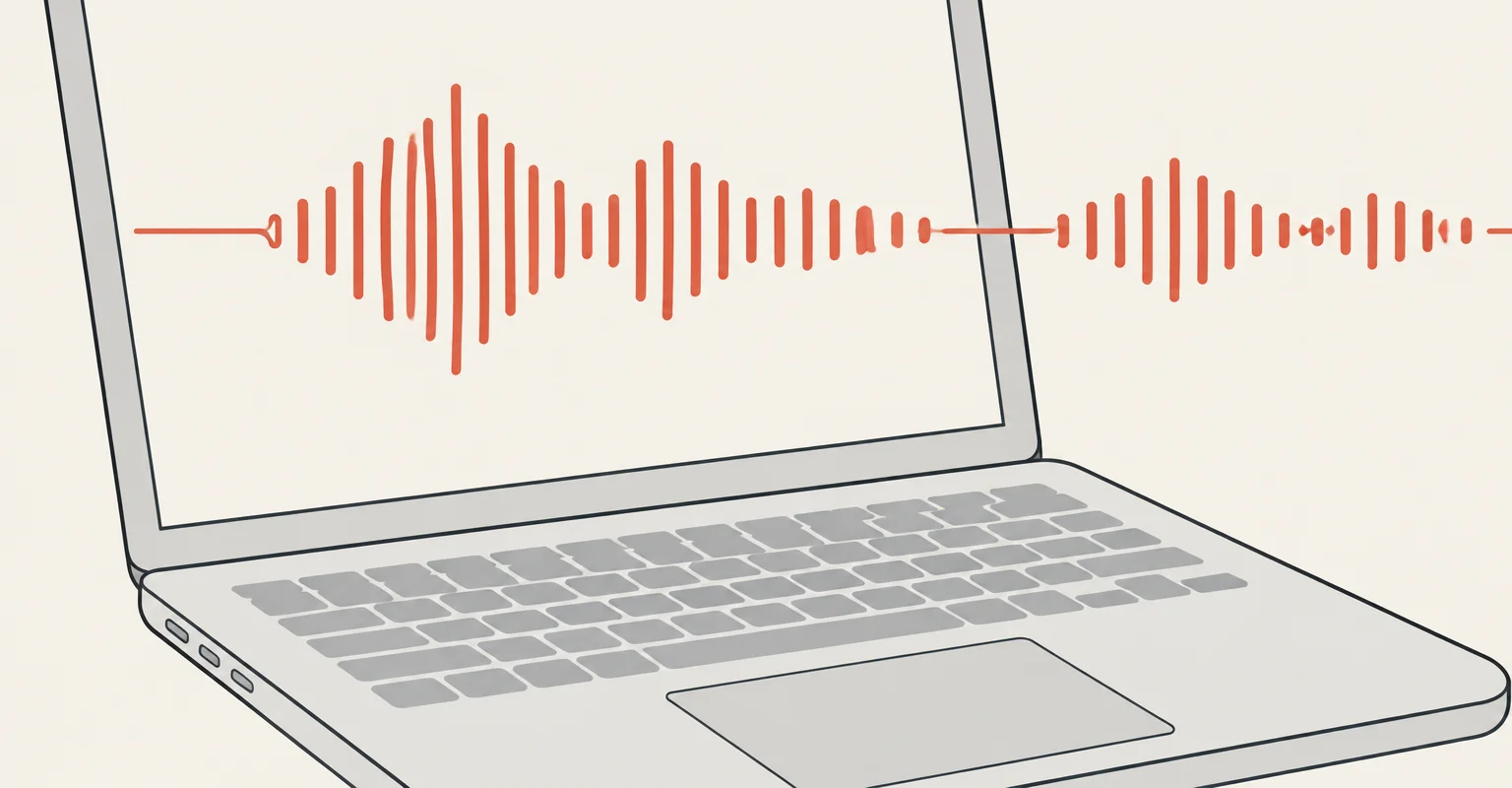
Ollama has added Phonon, a family of Gradium text-to-speech models, as its first speech model. The release lets Apple Silicon Mac users generate spoken audio locally, without an internet connection, and begins delivering audio while text is still being generated.
The Oct. 24 launch is currently limited to macOS, with Windows and Linux support still forthcoming. Ollama’s default download is the 31-million-parameter English Phonon model, which includes a single voice called “default”; its library also lists 40-million-parameter English, French, German, Spanish, Portuguese and multilingual variants.
The licensing differs sharply between those model sizes. The 31M English checkpoint, including its weights, tokenizer and voices, is under Apache 2.0, allowing commercial use. The 40M language-specific and multilingual checkpoints are under CC BY-NC 4.0, restricting them to noncommercial purposes. Developers therefore cannot assume that the larger or multilingual models carry the same rights as the default English release.
Phonon produces 24 kHz mono audio and can be called through Ollama’s OpenAI-compatible local /v1/audio/speech endpoint. Responses stream as audio is made, with WAV supplied by default and raw 16-bit samples available through the pcm response format. Ollama said its implementation ran 35% faster than Gradium’s own runtime on an M5 Max MacBook Pro, while matching the word-error rate of the Hugging Face Transformers reference implementation.
Ollama lists Apple Silicon and version 0.40.9 or later as requirements for its Phonon packages, though its launch announcement recommends version 0.40.11 or later before downloading the model. The intended uses include assistant replies, narration and local applications. Voices can be selected from Gradium’s catalogue through Ollama’s command-line --voice option or its API voice field.
Gradium released Phonon on Oct. 21 at NVIDIA GTC in Berlin. It describes the system as an on-device model that keeps both text and audio on users’ hardware, aimed at uses such as offline assistants, accessibility tools, mobile applications and embedded systems. The 31M English model is small enough to run in a browser tab, on a phone or on a laptop CPU, according to its Hugging Face model page.
For custom deployments, Gradium says a finalized Phonon model can be delivered as a self-contained component inside an app, with no external endpoint, runtime network dependency or data leaving the device. That on-device service was available through a private beta, with delivery measured in days to weeks depending on the application. Gradium’s guidance also says users should not impersonate real people, deceive listeners about who is speaking, or clone a voice without the speaker’s consent.