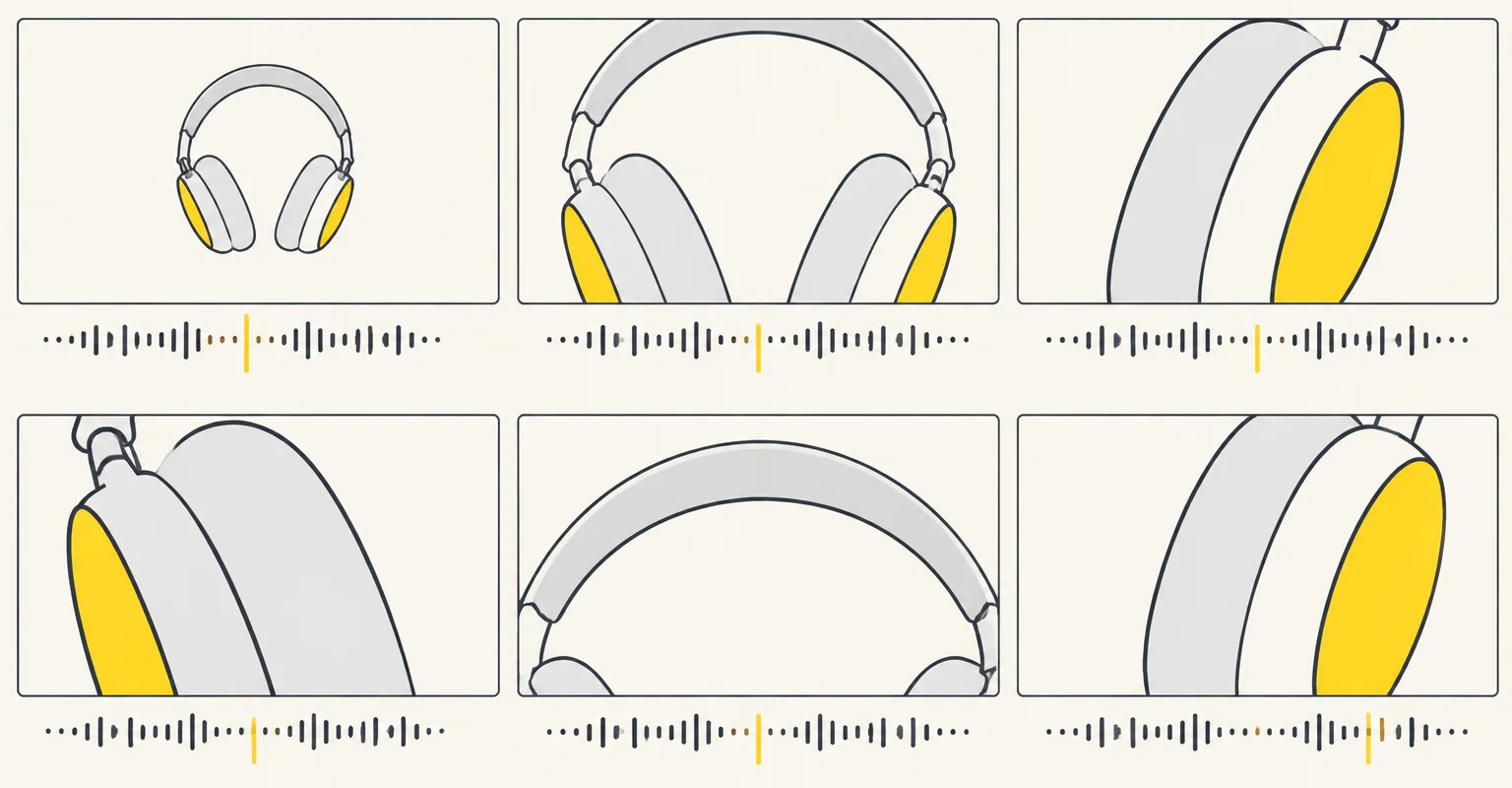
Pixo adds beat-aware editing and lip-sync to AI music-video workflow
The system maps a song’s lyrics, vocal roles and timing into storyboards, generated scenes and a final synchronized cut.
Pixo has added beat-aware editing, singer identification and lip-sync controls to its AI music-video workflow, aiming to keep generated shots aligned with a track’s structure and vocal performance from planning through export.
The Oct. 17 announcement described an AI Agent workflow that analyzes a song’s sections, lyrics, timing and singers, then uses that information to guide scene development, shot changes and vocal assignments. According to the announcement carried by WBOC, creators can begin with an existing song or start from lyrics or a song idea, preview a generated track and request changes before video production begins.
The system’s storyboard ties planned shots to specific portions of the track before they are rendered. Each shot carries its assigned music and duration into video generation, and creators can submit several planned shots together while retaining their timing against the source audio.
Its beat-aware editing uses musical beats to define shot boundaries and favors spaces between vocal phrases. The stated aim is to place transitions at musically relevant points rather than cutting through sung lines.
For performance videos, Pixo aligns lyrics to the recording and uses timed vocal instructions to generate lip-sync. It distinguishes lead vocals, backing vocals and ad-libs, while its singer-identification and duet tools assign vocal parts to visual characters selected for the project. Creators can also turn lip-sync off, allowing the same workflow to support narrative videos built around a soundtrack.
The company said generated scenes are assembled with the music on a timeline, with audio and timing designed to preserve continuity and synchronization across song sections in the exported file. Pixo, founded in 2025, positions the tools for independent musicians and creators making song releases, character performances and narrative music videos.
Pixo’s earlier MV Director guide describes a similar audio-first process in which timed lyric chunks become storyboard panels. It also cautions that mouth timing can remain imperfect after audio replacement, recommending that creators review vocal close-ups and retry shots or use cutaways when necessary.
As covered earlier this month, BeatViz also launched an AI Director tool for turning a completed song into a planned and edited music video, a full-track approach intended to avoid assembling disconnected generated clips.
Pixo’s existing music-video generator supports uploads in WAV, MP3, OGG and M4A formats up to 20 MB, with project formats including 16:9, 9:16, 3:4 and 1:1 and resolutions from 480p to 4K, depending on the model and settings.