UK approves Books by People mark for human-authored books
The “organic literature” scheme combines author declarations with reviews of drafts and research material, while allowing limited AI editing tools.
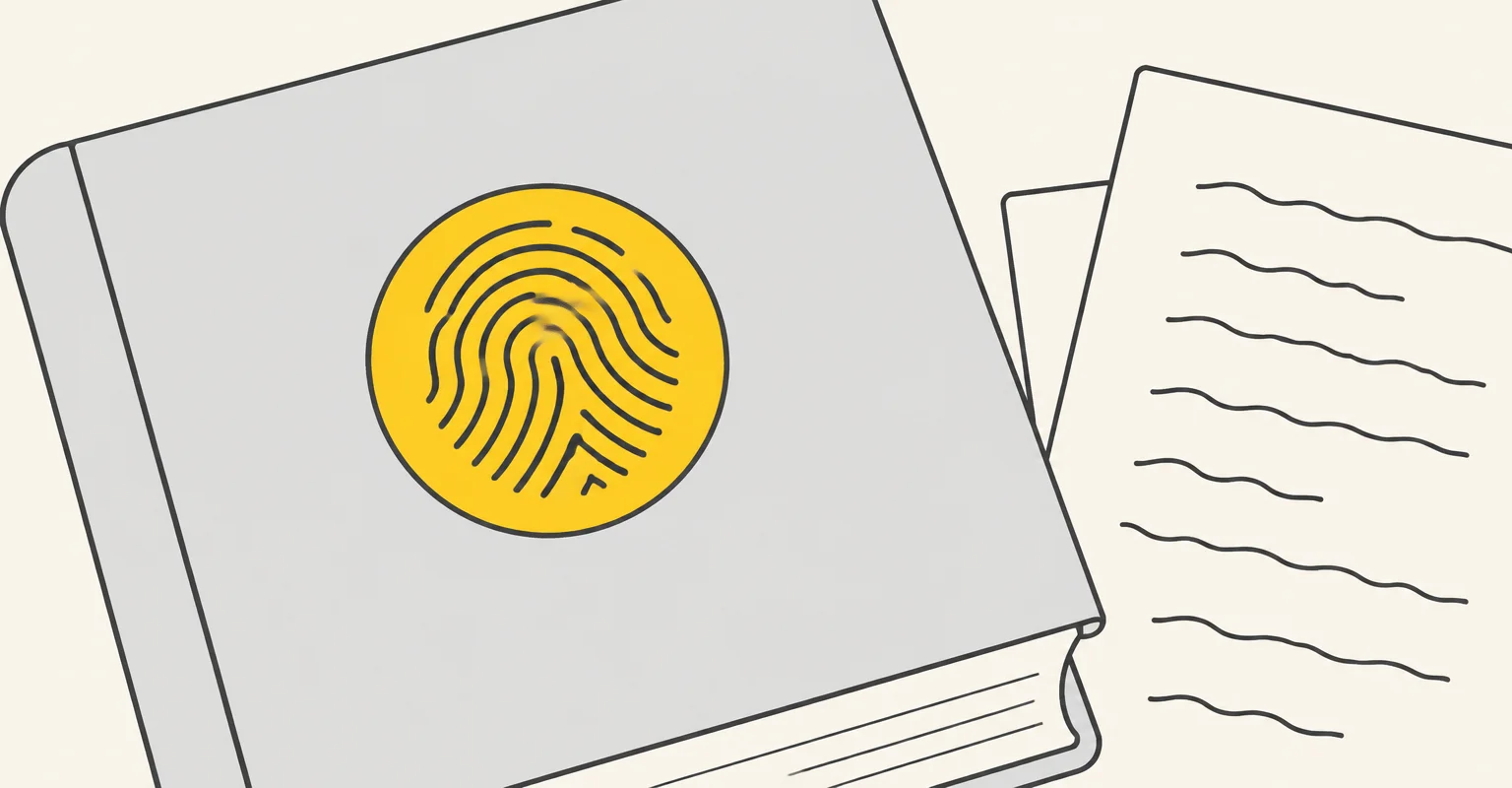
Books by People, a British startup, has secured approval from the UK Intellectual Property Office for a certification mark intended to show that a published book was authored by a human. The mark, which appears as a thumbprint on a book cover, is being marketed under the term “organic literature.”
The standard requires writing to originate with the author, while permitting limited use of artificial intelligence for functions such as spelling and grammar checks. Its launch group comprises five independent publishers, which can submit their authors’ books for assessment. Books by People expects the first certified title to carry the mark by the end of the year.
The company’s process goes beyond a simple author declaration. It asks for an authorship statement, uses proprietary software and reviews early drafts and research material supplied by the writer and editor, as well as communication trails. The aim is to find evidence of a natural drafting and redrafting process, rather than to determine authorship principally through AI detection.
That distinction reflects the risk of false positives from detection tools. Books by People says it will err in the author’s favour where the evidence is uncertain, seeking to avoid unjust accusations. Publishers pay a flat membership fee and a further charge for each book submitted.
Cofounder Esme Dennys said the scheme was intended to give readers a meaningful choice and to provide publishers and writers with a transparent, reliable way to communicate how a book was made. Sam Jordison of Galley Beggar Press said his publisher intended to adopt the mark.
The registration arrives as human-authorship labels spread across publishing. As we reported this month, France’s Librinova has awarded its “human creation” label to about 200 books. In the United States, the Authors Guild’s self-certification stamp has been applied to about 6,500 titles, although its system relies on an honour-based registration rather than manuscript analysis.
The approach remains contested. Some industry participants argue that publishers and platforms should label AI-generated books instead of placing the burden on human authors to prove their work. The Society of Authors has also introduced a separate Human Authored scheme, citing growing concern over AI-generated books and saying that 82% of its members expressed interest in such certification.